CES 2026: Consumer Tech, Gaming, And What Stood Out

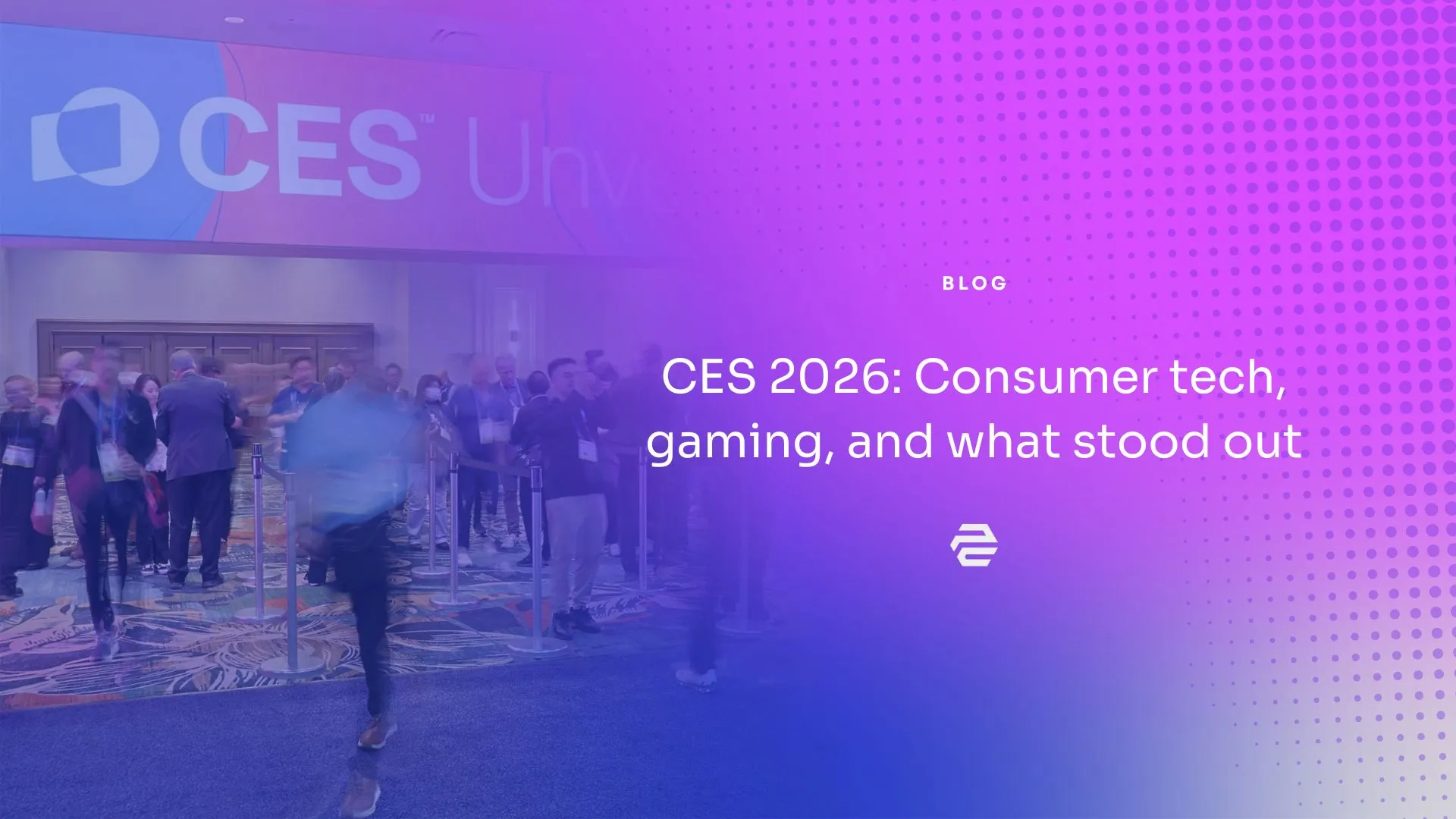



CES 2026 delivered what the world’s largest tech show is known for. Big ideas, ambitious concepts, and a clear sense of where consumer technology is heading next. From rollable gaming screens and ultra-thin displays to AI-powered systems and immersive wearables, Las Vegas once again became a testing ground for what might soon feel normal.
Alongside the headline grabbing hardware, CES also plays another role. It is widely seen as the unofficial start of the advertising calendar, where brands, platforms, and media companies begin early conversations about priorities and budgets for the year ahead, often in meeting rooms and hallways rather than on stage.
One of our Direct Sales Account Directors, Julian Castillo, attended CES with a focus on consumer tech and gaming hardware. His time was largely spent in meetings with game hardware buyers, with a few hours on the expo floor where possible. Below is a look at what stood out from CES 2026, combining the standout tech moments with the broader industry context shaping advertiser attention this year.
The consumer tech highlights everyone was talking about
CES 2026 did not disappoint when it came to spectacle. The expo floor was packed with products and concepts designed to reshape how people play, work, and interact with technology.
Gaming hardware stood out in particular. One of the most talked about concepts was Lenovo’s rollable OLED gaming laptop, which expanded horizontally to create a wider, more immersive viewing experience. ASUS also drew attention with its XREAL AR gaming glasses, reinforcing a broader move toward more flexible and immersive gaming setups that extend beyond traditional screens.
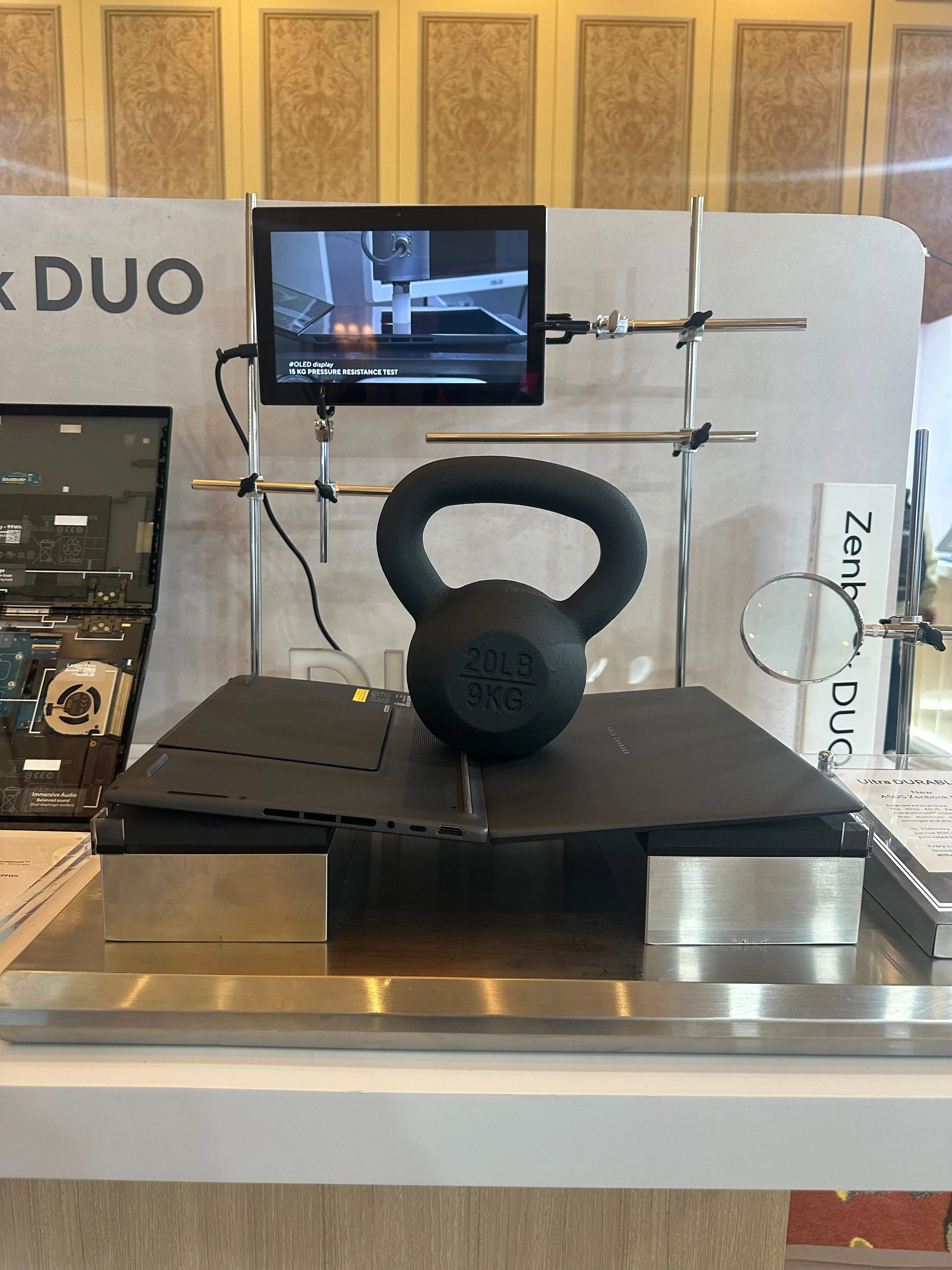
Displays and monitors continued to evolve as well, with AI playing a growing role behind the scenes. Rather than pushing consumers toward ever more powerful graphics hardware, manufacturers highlighted AI driven upscaling and image enhancement to deliver sharper visuals with less GPU strain. It was a subtle but important theme, especially for gaming and creator focused audiences where performance and efficiency both matter.
Robotics were everywhere, but the positioning felt different from previous years. Many of the robots on display were framed less as novelty gadgets and more as practical tools for medical environments, warehouses, and other workplaces. Automation and AI were presented as solutions for repetitive or high risk tasks first, with consumer use cases expected to follow once the technology becomes more accessible.
As Julian observed during his time at CES, AI has clearly moved past buzzword territory. It was embedded in nearly every major announcement, from chips and displays to robotics and smart systems, reinforcing that intelligence is now a core layer shaping both consumer and creator experiences.
Where consumer tech and advertiser interest intersect
Julian’s time at CES also highlighted something beyond the technology itself. The level of engagement around gaming, peripherals, and immersive tech experiences was hard to miss.
As he put it, consumer tech today is defined by connectivity, intelligence, and experience. From rollable gaming screens and AR wearables to AI enhanced displays and robotics, the tempo of innovation was undeniable. What stood out just as much, though, was the audience response. Passionate tech fans and gamers continue to be one of the most energised and engaged consumer groups, particularly around hardware and immersive experiences.
That engagement helps explain why CES also matters on the advertising side. The event is widely viewed as an early checkpoint for the year, where platforms and buyers begin aligning on direction and expectations. As reported by Digiday, demand side platforms and large advertising players often use CES to listen, assess market sentiment, and position themselves for the months ahead.
In 2026, those conversations reflect a cautious but active market. Platforms like Amazon continued to draw attention as they bring together commerce, streaming, and advertising at scale. At the same time, other DSPs such as Yahoo used CES to highlight ongoing investment in modernising their buying platforms, particularly around AI driven automation and workflow improvements.
Taken together, these signals point to a familiar dynamic. Innovation in consumer tech drives attention. Highly engaged audiences attract advertiser interest. Platforms compete to make it easier for brands to reach those audiences effectively.
This is where Publisher Collective naturally fits. We connect hardware brands and tech advertisers with highly engaged gaming and tech communities, turning the excitement showcased at CES into relevant, context rich media experiences where those audiences already spend their time.
Wrapping up
CES 2026 offered plenty to react to, from new technology to early conversations that help set the tone for the year. Between the pace of innovation in consumer tech and the continued buzz around gaming and immersive experiences, it provided a useful snapshot of what is capturing attention right now.
Some of what was showcased will evolve quickly, some of it will take time to reach wider adoption, but all of it adds context. We are heading into the rest of the year with plenty to dig into and plenty of conversations to continue.
Book a call with an expert
We pride ourselves on creating meaningful relationships with our publishers, understanding their priorities and customizing our solutions to meet their unique needs.